
PUNE E-WASTE PICKUPOld tech.
Old tech.
New value.
Pickup may be available as soon as one day, subject to your area and slot availability. Payment may be available for eligible items after assessment.
Pune-based pickupHomes + businessesData-aware guidanceAssessment before payment
PHONES + LAPTOPS + DRIVES + CIRCUIT BOARDS + MONITORS
THE SCALE
E-waste is growing faster than the formal route.
Globally, electronics become waste at a scale that makes collection and downstream handling matter.
SourcesUNITAR and ITU ↗
01
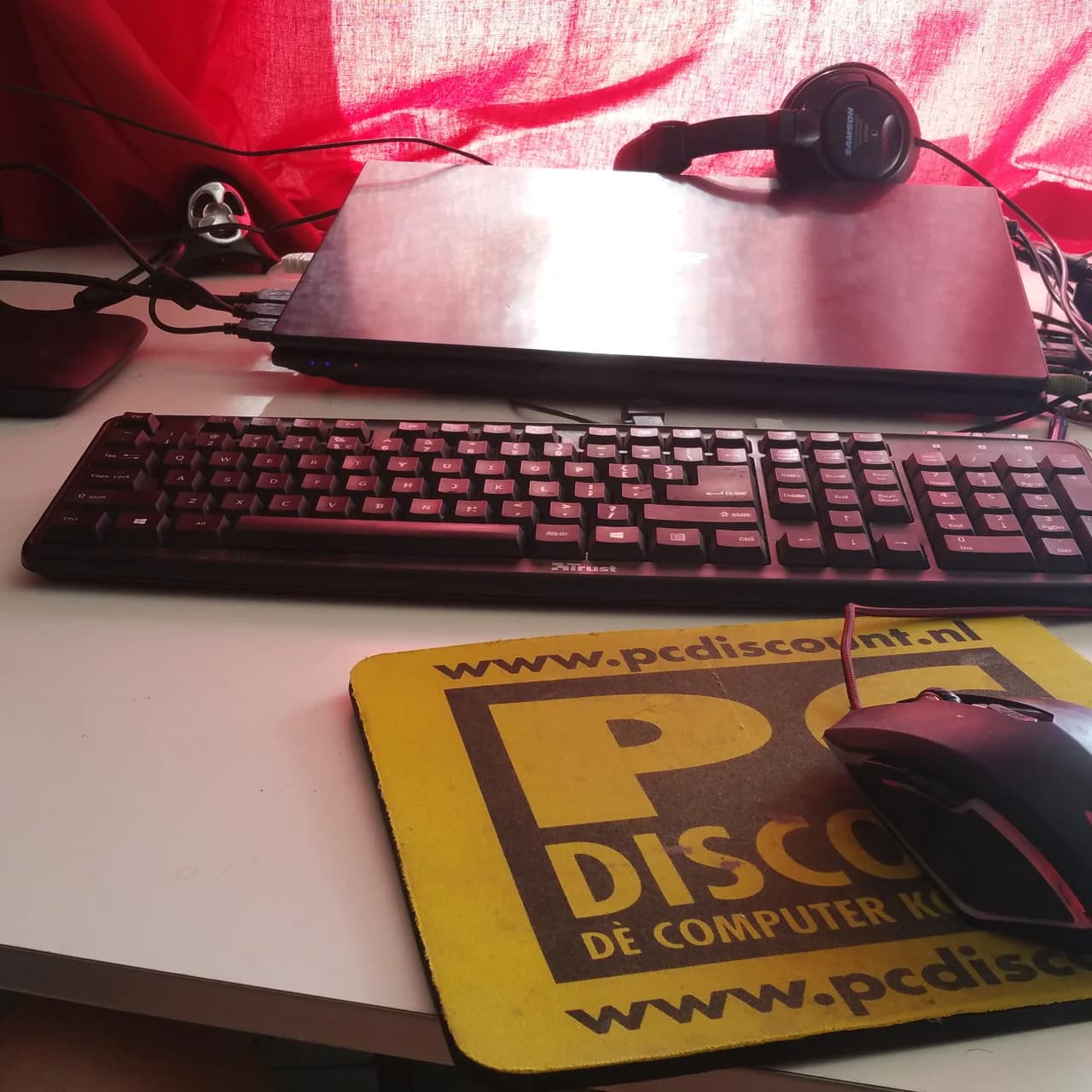
Laptops & desktops
Computers, CPUs, keyboards and accessories
02
Phones & tablets
Smartphones, feature phones and tablets
03
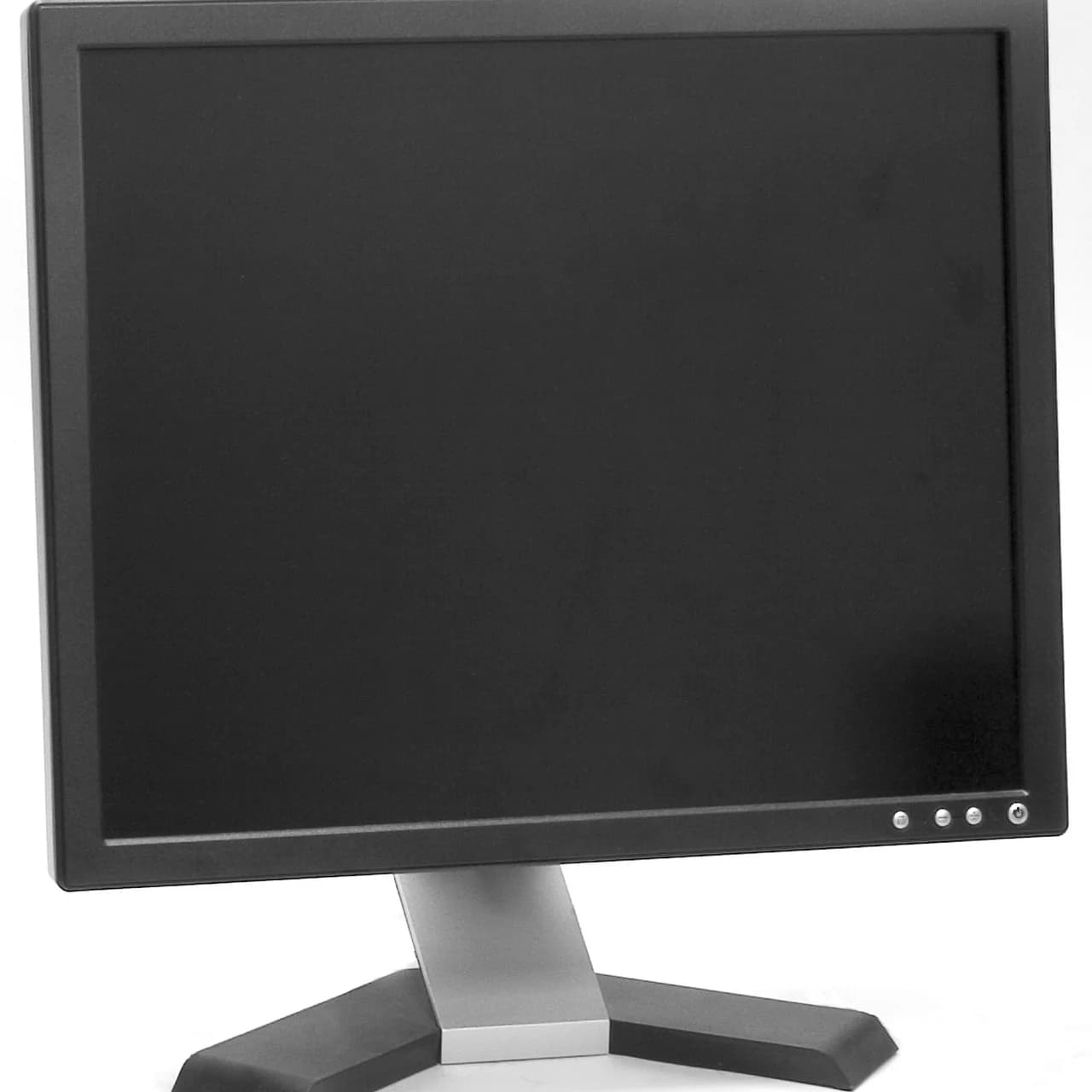
Monitors
LCD, LED displays and computer monitors
04
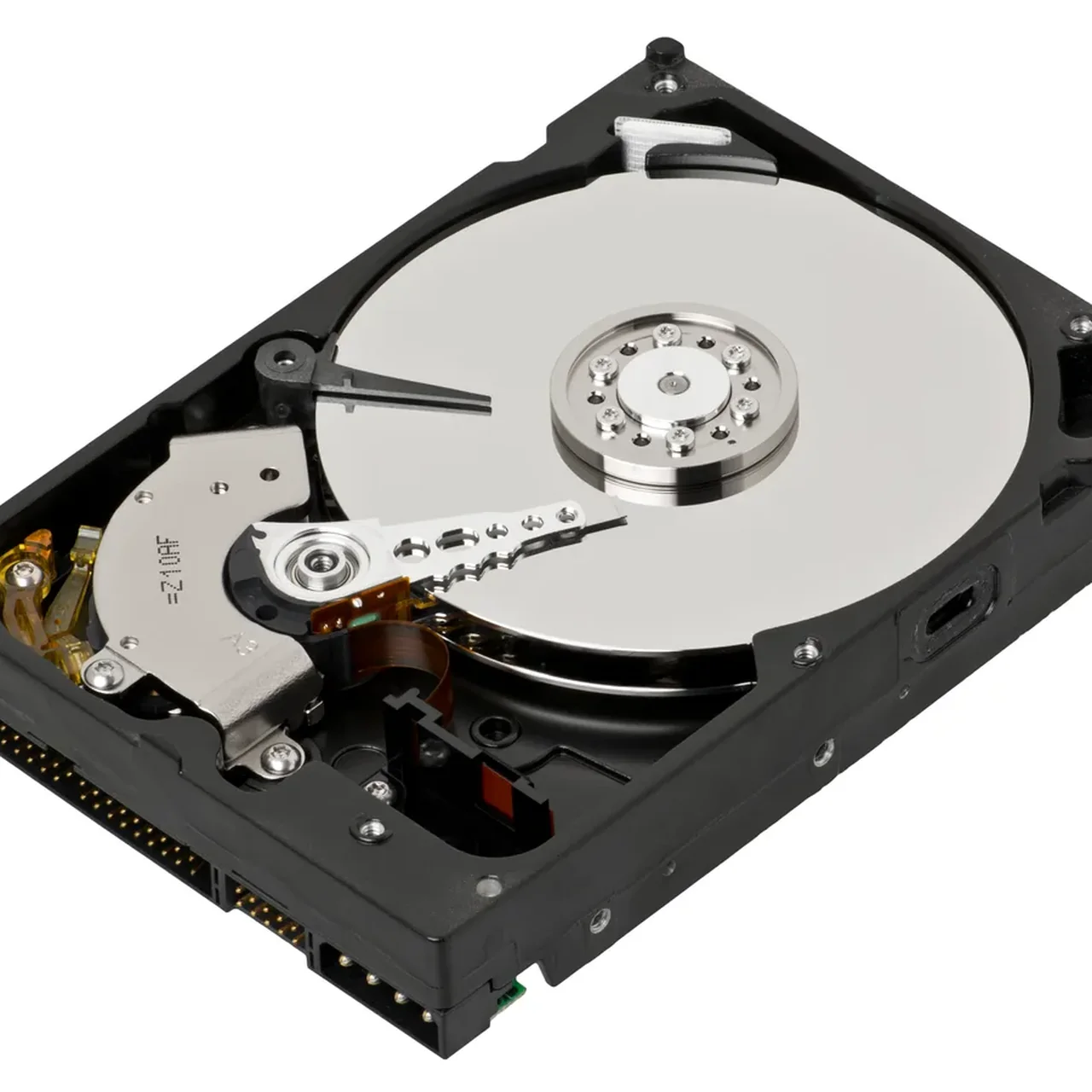
Storage drives
Hard drives, SSDs and external storage
05
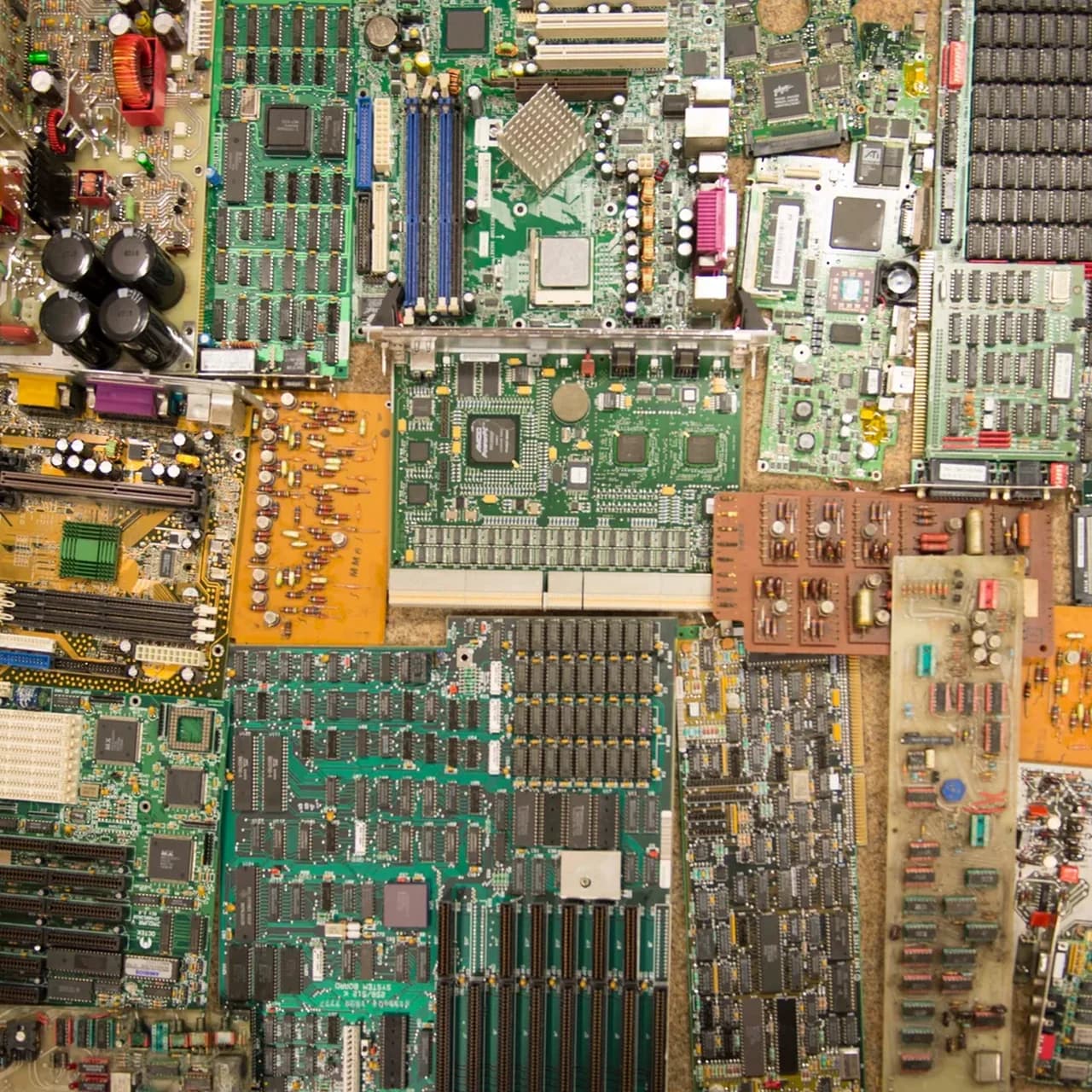
Circuit boards
PCBs, cards, components and processors
06
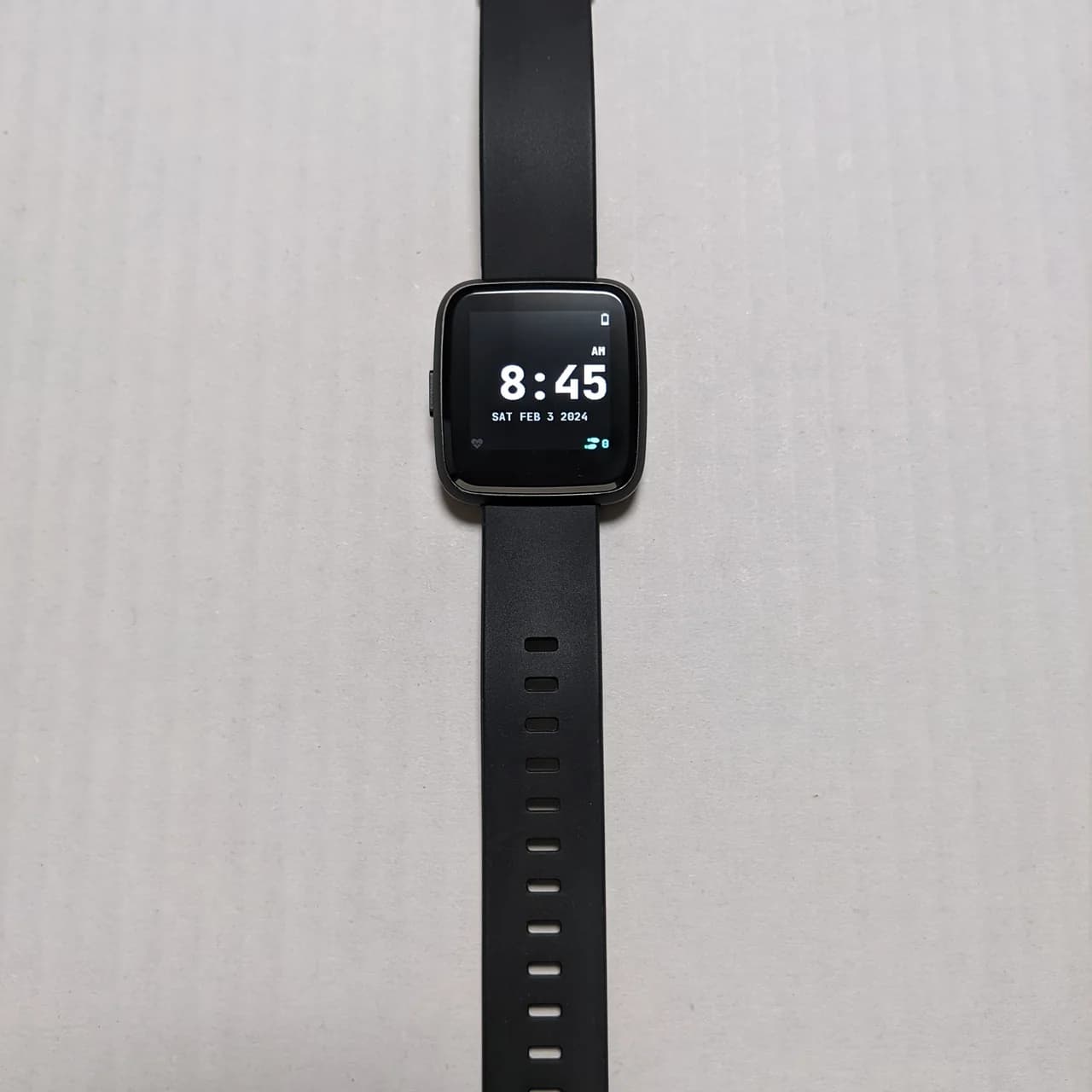
Wearables
Smartwatches, fitness bands and accessories
07
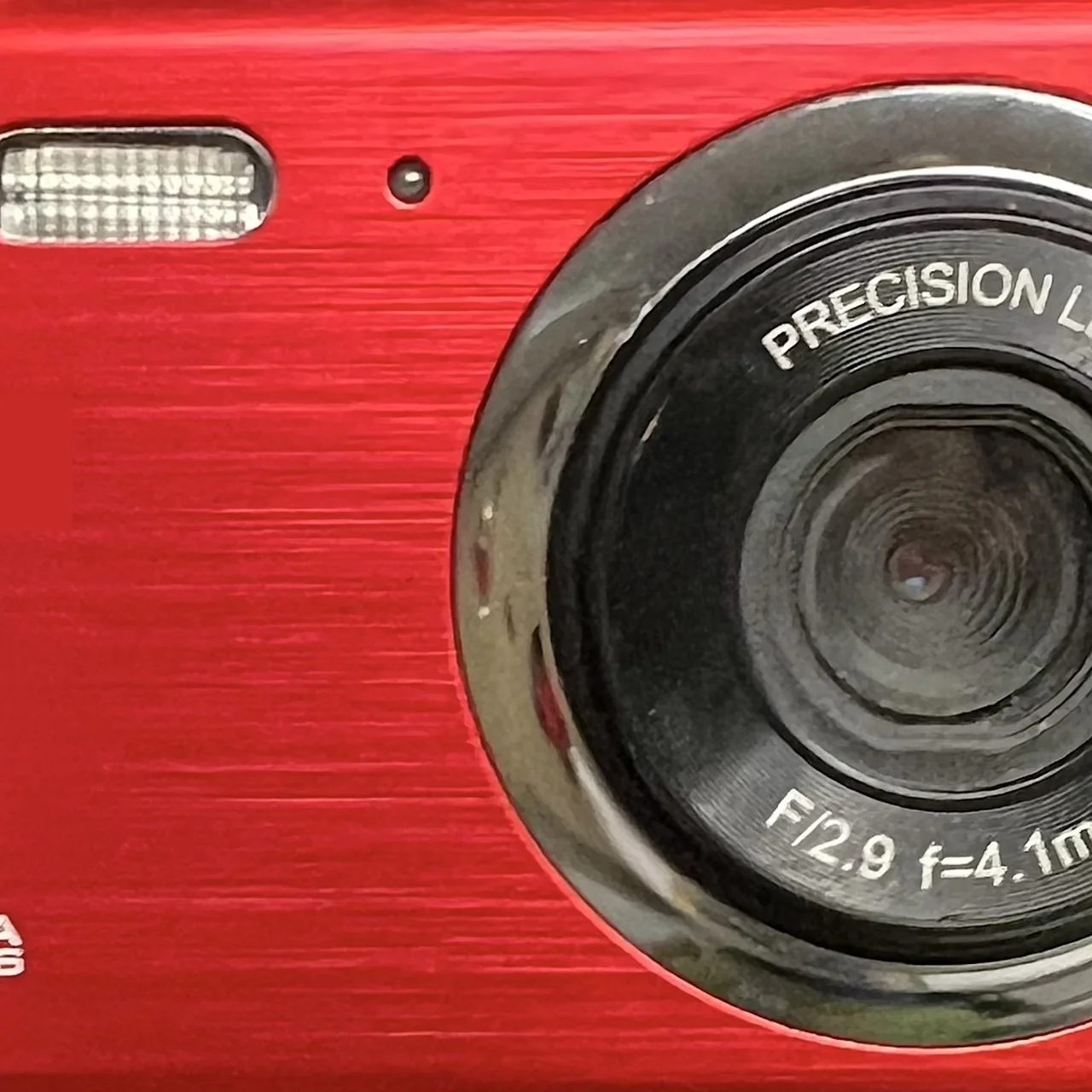
Cameras & audio
Cameras, drones, speakers and headphones
08
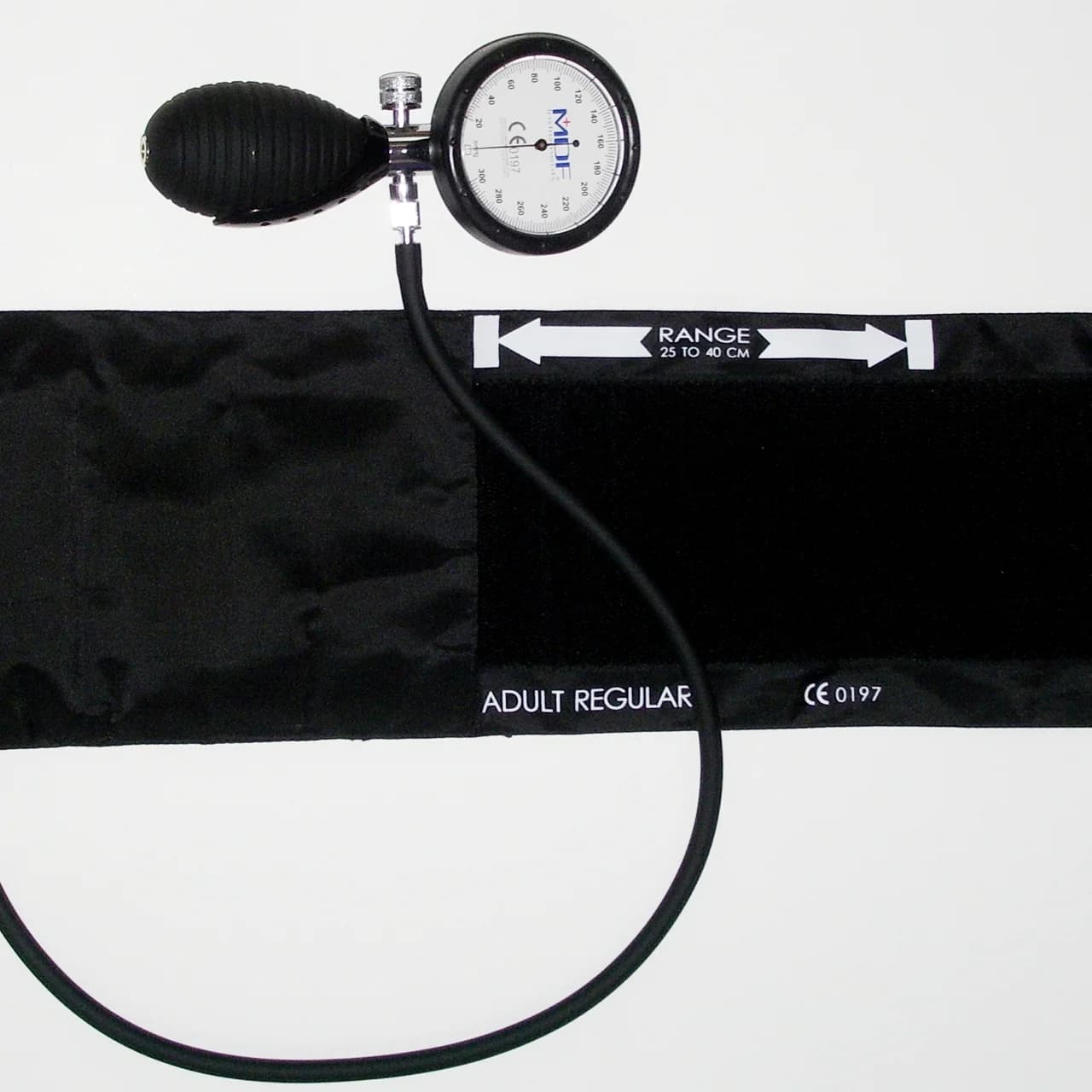
Medical electronics
Eligible diagnostic and monitoring devices
Acceptance depends on item type, condition, quantity and pickup arrangements. Send photos for unusual or damaged equipment.
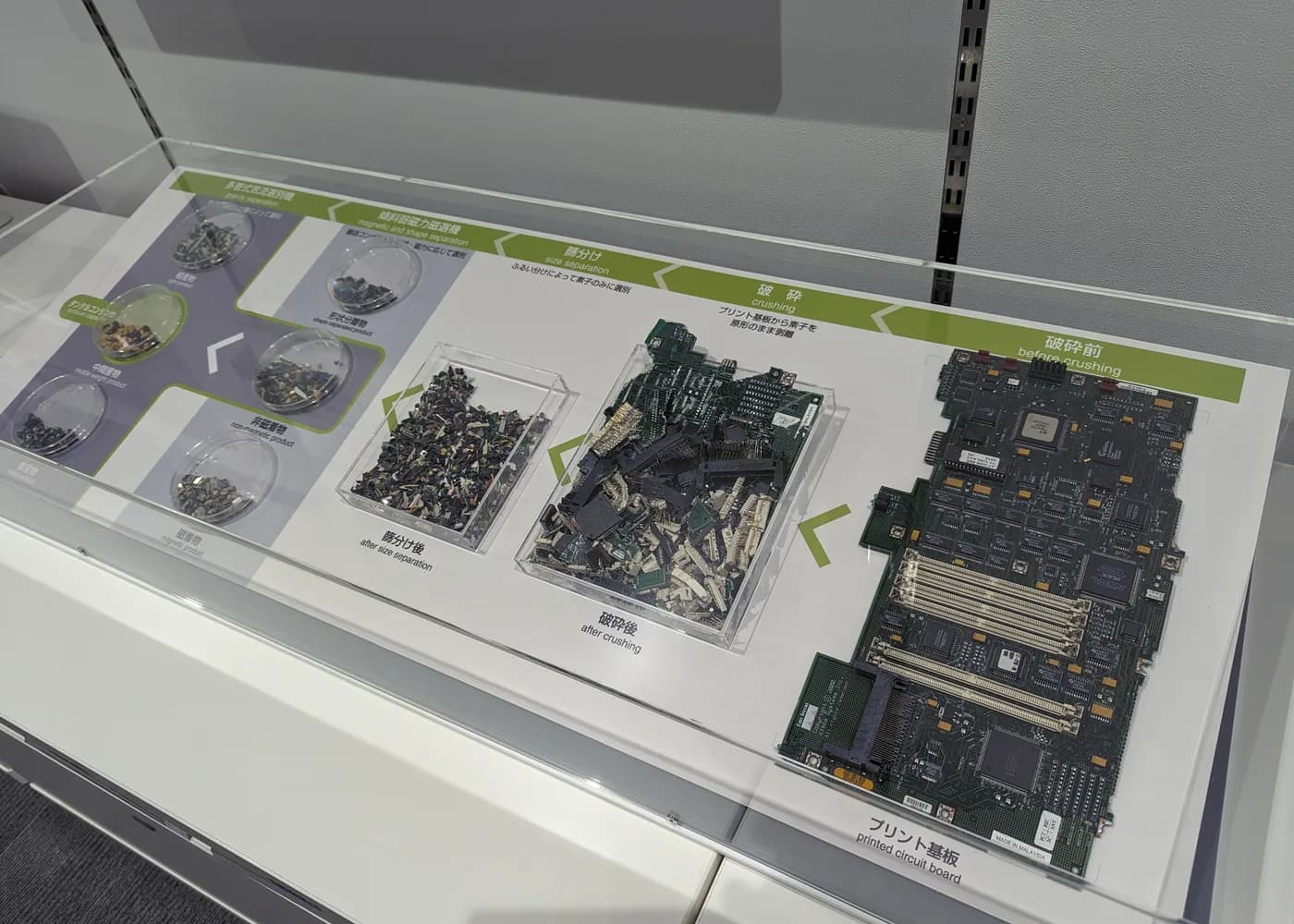
AFTER PICKUP
A collection is the first step, not the whole story.
Different devices can follow different routes. These are responsible handling principles, not a promise that every item reaches the same outcome.
- 01
Collection and sorting
Items are grouped by device type, condition and visible handling needs.
- 02
Further-use assessment
Working equipment may be assessed for reuse or refurbishment where practical.
- 03
Data-bearing check
Storage devices are identified and customers are reminded to complete appropriate preparation.
- 04
Onward handover
Non-reusable equipment should move to an appropriate downstream operator.
- 05
Material recovery
Registered recyclers process eligible streams within India's formal e-waste system.
FOR HOUSEHOLDS
Clear a drawer, shelf or spare room.
Bundle phones, laptops, cables and mixed small electronics. Tell us about cracked screens or battery damage first.
Household guidance →FOR BUSINESSES
Prepare equipment before the handover.
Share equipment types, quantities, condition, data-bearing status and access notes before collection.
Discuss a collection →BEFORE PICKUP
Five steps that make handover clearer.
Data and visible damage deserve attention before a device leaves your control.
Read the detailed guides →- 01
Back up what matters
Keep the files, photos and records you still need before releasing a device.
- 02
Disconnect accounts
Sign out, disable activation locks and remove SIM cards and removable memory.
- 03
Use maker guidance
Follow the device manufacturer's reset or erase procedure for ordinary personal devices.
- 04
Flag visible damage
Tell us about swelling, leakage, cracked screens, unusual heat or impact damage before pickup.
- 05
Keep devices intact
Do not burn, crush, puncture or dismantle electronics while preparing them.
QUICK ANSWERS
Before you send the message.
How quickly can you collect?+
Pickup may be available as soon as one day, subject to your area and slot availability. Share your device list on WhatsApp to confirm.
Do you collect from businesses?+
Yes. We support household clear-outs as well as office, shop and institutional electronics.
What should I do with data on my devices?+
Back up what you need, sign out of accounts and remove accessible personal data. Tell our team when a device contains storage.
How is payment handled?+
Payment may be available for eligible items after assessment. Final value depends on item type, condition, quantity and recoverable material.
Can you collect damaged batteries or unusual equipment?+
Tell us about swelling, leakage, heat damage, cracked screens or unusual equipment before pickup and send clear photos so we can confirm the next step.
What details should a business send?+
Share equipment types, approximate quantities, working condition, data-bearing status and any site access or loading notes.
ONE-DAY PICKUP
Start on WhatsAppClear the clutter. Keep the value.
Send us your device list. We’ll confirm the pickup details directly.